Learning French isn’t the easiest thing to do—that’s no secret! Taking a French class at CILFA is already a big (and good!) decision, but some aspects also require some personal effort. For example: vocabulary.
How can you go about memorizing effectively these lists of endless words < a8> by your friendly French teacher ?
Make some lists of vocabulary
This is the most traditional technique. Many students learning French as a foreign language (FLE) make vocabulary lists in their notebooks or in a small notepad and then read and reread them to learn the words. This works well when there aren’t many words to memorize or when the context is specific (an exam, DELF, shopping for something specific in a store, etc.), but once you reach a B1 or B2-level French class, the list gets long, complicated… and often boring!
Also, keep in mind that a word can have several different meanings. So what should you do?
A Different Way to Memorize Vocabulary
Just staring intently at your vocabulary list isn’t enough to memorize it! Here are a few tips to help you learn vocabulary in French as a foreign language.
Provide some context for the words
It’s very important not to learn words in isolation. Memorizing a word on its own isn’t enough—you also need to know how to use it correctly! In French class, for example, some students write short sentences using the new words they’ve learned to illustrate their meaning.
It’s also a good idea to regularly use new vocabulary words in your writing (such as in a journal, for example).
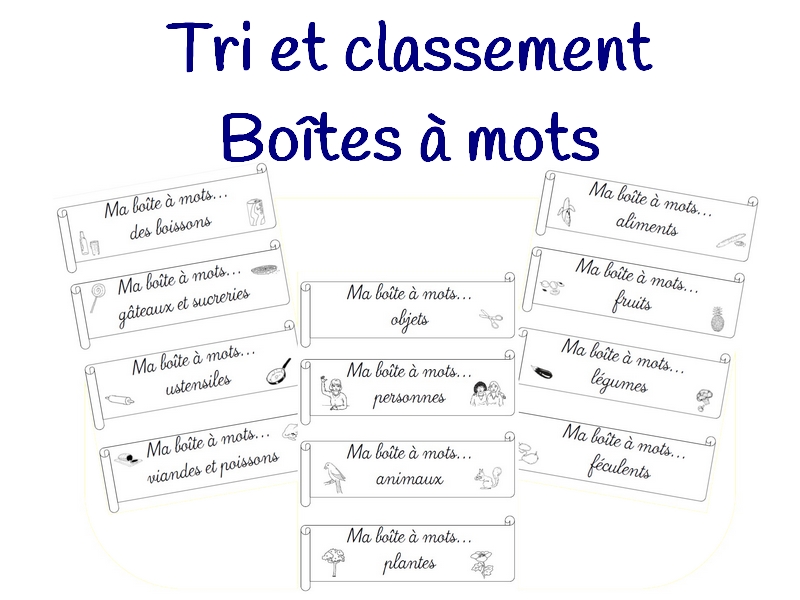
Classify the words
Generally, in French classes or in FLE textbooks, vocabulary is presented in a very specific context: the workplace, travel, ecology, and so on. It’s often much more effective to organize words by theme before learning them, because you’ll remember them more easily if they’re related to one another.
It is also possible to create categories to organize words and phrases. For example:
- words related to food, new technologies, and education
- words that express the cause / the consequence
- words that refer to some activities that you can do outdoors
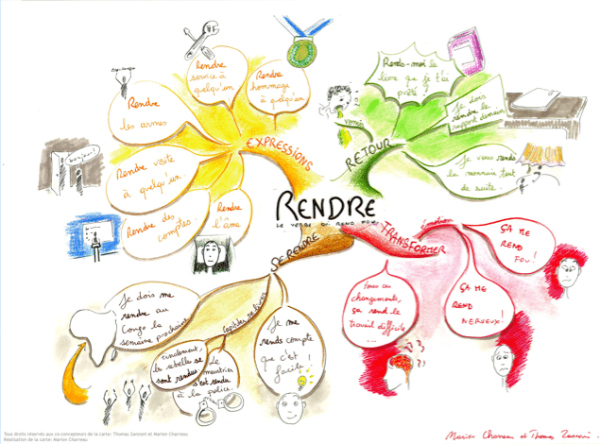
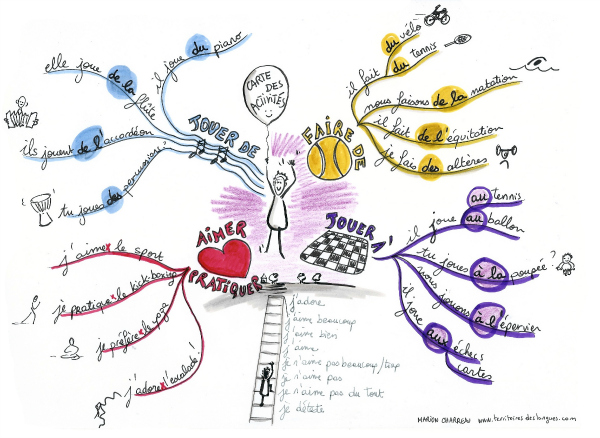
Using Mind Maps
This technique is excellent for memorizing vocabulary in French as a foreign language because it allows students to take an active role:
- you represent visually and above all, using your own system, the vocabulary to memorize and the relationships between the words
- you organize, organize, sort actively the vocabulary into different categories
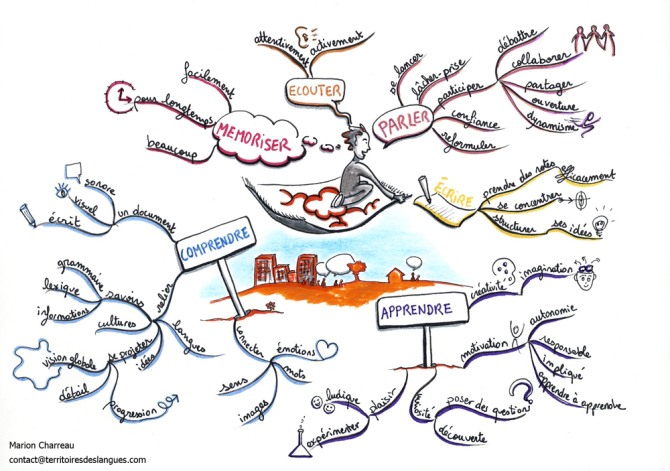
Here are a few examples of mind maps created by Marion Charreau, an expert in this field.
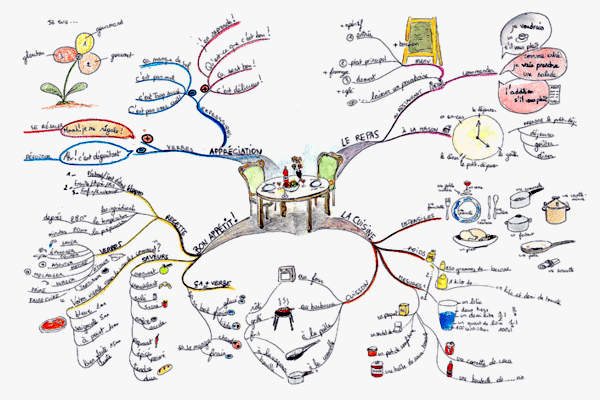
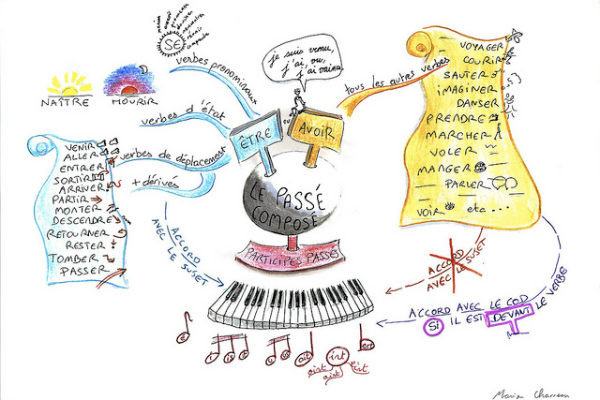
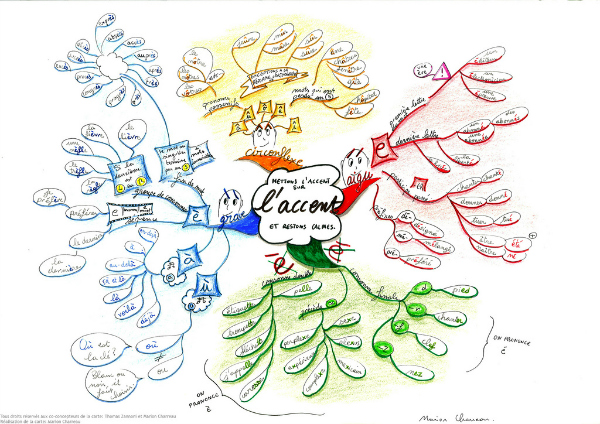
Here’s another little tip: mind maps also work for spelling and grammar! Keep that in mind!
And what about CILFA?
In addition to French classes, CILFA supports you in learning vocabulary through:
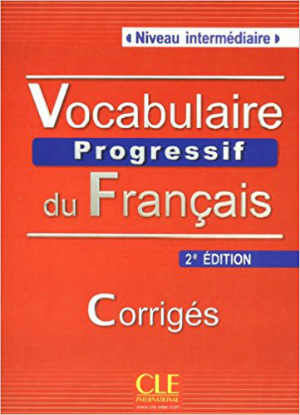
- Various manuals available at the resource center

- some conversation workshops on every every Thursday
Learn more about the free workshops and services offered by CILFA
Learn more about the French courses offered at CILFA
See you soon at CILFA!